
Our Blog
When Should You See a Spine Specialist for Back Pain?
Back pain is extremely common, and in many cases it improves with rest, activity modification, physiotherapy, or appropriate medical treatment. But when pain keeps returning, becomes severe, or starts affecting your legs and daily activities, it may be time to consult a spine specialist.
Understanding when to seek specialist care can help identify the underlying cause of your symptoms and prevent unnecessary delays in treatment.
When Is Back Pain a Cause for Concern?
Not every episode of back pain indicates a serious spine problem. Muscle strain, poor posture, prolonged sitting, and sudden physical activity can all cause temporary discomfort.
However, you should consider consulting a spine specialist in Noida if your pain persists, repeatedly returns, or is accompanied by neurological symptoms.
1. Back Pain That Does Not Improve
If your back pain continues despite appropriate initial treatment or starts interfering with work, sleep, walking, or everyday activities, a medical evaluation may be helpful.
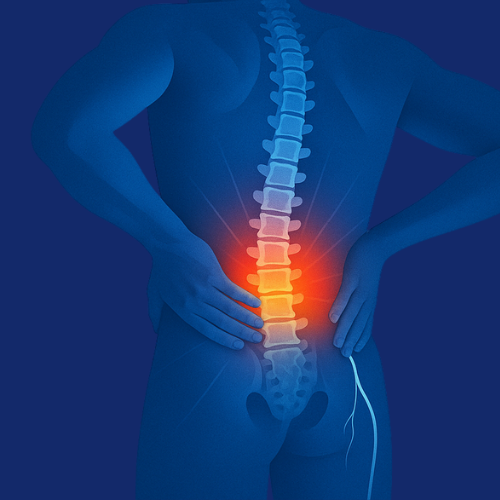
Persistent pain can have several causes, including disc problems, spinal degeneration, nerve compression, or other musculoskeletal conditions.
2. Pain Travelling from the Back to the Leg
Pain that begins in the lower back and travels through the buttock or leg may indicate irritation or compression of a spinal nerve.
This type of radiating pain is commonly associated with conditions such as a slipped or herniated disc and sciatica.
A spine specialist can evaluate your symptoms and determine whether further investigations are required.
3. Numbness or Tingling in the Legs
Back pain accompanied by numbness, pins-and-needles sensations, or altered sensation in the legs should not simply be ignored.
These symptoms can sometimes occur when a nerve in the spine is irritated or compressed.
An accurate diagnosis is important because treatment depends on the location and cause of the nerve involvement.
4. Weakness in Your Leg or Foot
Muscle weakness is more concerning than pain alone.
If you notice difficulty lifting your foot, climbing stairs, maintaining balance, or performing movements that were previously easy, seek medical evaluation promptly.
Progressive weakness can indicate significant nerve involvement and may require timely assessment.
5. Difficulty Standing or Walking
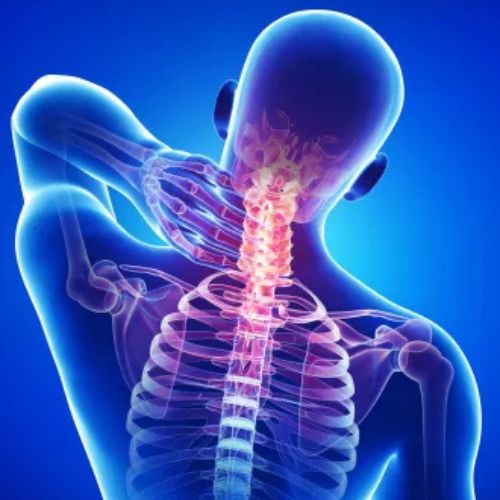
Spinal conditions can sometimes make prolonged standing or walking difficult.
For example, some people experience pain, heaviness, weakness, or numbness in their legs after walking a certain distance.
A detailed examination can help determine whether these symptoms are related to spinal stenosis, nerve compression, joint problems, or another condition.
6. Back Pain After an Injury
Back pain following a significant fall, road accident, sports injury, or other trauma should be properly evaluated, particularly when the pain is severe or accompanied by difficulty moving.
An examination and, when clinically appropriate, imaging can help rule out fractures or other structural injuries.
7. Back Pain with Bladder or Bowel Changes
Back pain associated with new loss of bladder or bowel control, numbness around the groin or saddle area, or rapidly progressing leg weakness requires urgent medical attention.
These symptoms can indicate serious compression of the nerves in the lower spine and should not be treated as routine back pain.
What Causes Persistent Back Pain?
Long-lasting back pain can have many possible causes. Common spine-related conditions include:
- Herniated or slipped disc
- Sciatica
- Lumbar spinal stenosis
- Degenerative changes in the spine
- Nerve compression
- Spinal instability
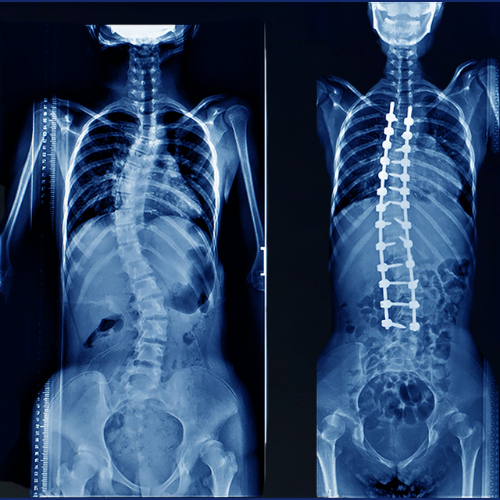
- Spinal deformity
- Injury or fracture
Because different conditions can produce similar symptoms, self-diagnosis based only on the location of pain may be misleading.
Does Back Pain Always Require Surgery?
No,
Visiting a spine surgeon or spine specialist does not automatically mean you need surgery.
Depending on the diagnosis and severity of symptoms, treatment may include medication, activity modification, physiotherapy, exercises, lifestyle changes, injections, or other non-surgical approaches.
Surgery may be considered in selected cases when there is a clear clinical indication—for example, significant nerve compression, progressive neurological symptoms, spinal instability, or persistent symptoms that have not responded adequately to appropriate conservative treatment.
How Is Back Pain Diagnosed?
Diagnosis usually begins with a discussion of your symptoms and medical history followed by a physical examination.
The doctor may assess your movement, muscle strength, sensation, reflexes, and signs of nerve involvement.
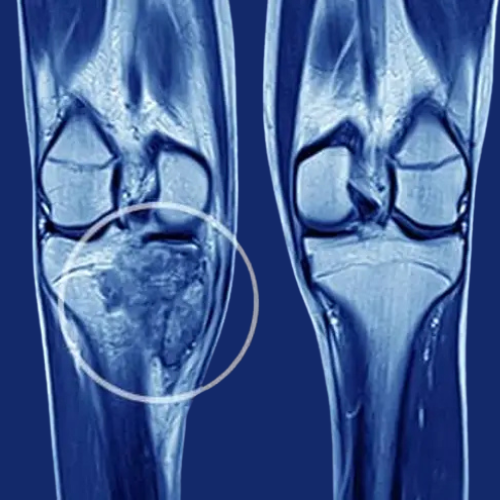
When required, investigations such as an X-ray, MRI, CT scan, or other tests may be recommended according to the suspected condition.
The goal is not simply to identify where it hurts, but to understand why it hurts.
Treatment Should Be Based on the Cause
Two patients with similar back pain may require completely different treatment.
That is why an individualized approach is important.
At Ortho Spine Signature Care, Dr. Rajesh Mishra evaluates spine and orthopaedic conditions and develops treatment plans according to the patient’s diagnosis, symptoms, functional limitations, and clinical needs.
Treatment options may range from conservative management to advanced procedures such as minimally invasive, endoscopic, microscopic, cervical, or lumbar spine surgery when clinically appropriate.
Frequently Asked Questions
When should I see a spine specialist for back pain?
Consider specialist evaluation when back pain is persistent, frequently recurring, affecting daily activities, or accompanied by leg pain, numbness, tingling, or weakness. Sudden severe neurological symptoms require more urgent assessment.
Can a slipped disc heal without surgery?
Many people with disc-related symptoms can improve without surgery. Treatment depends on factors such as symptom severity, neurological findings, duration, and the extent of nerve compression.
Is sciatica the same as back pain?
No. Sciatica generally describes symptoms caused by irritation or compression of the sciatic nerve roots, often producing pain that travels from the lower back or buttock into the leg.
Does seeing a spine surgeon mean I will need surgery?
No. A consultation is primarily about obtaining an accurate diagnosis and understanding suitable treatment options. Surgery is recommended only when clinically appropriate.
Which doctor should I consult for persistent back pain in Noida?
If your symptoms appear to originate from the spine, particularly when back pain is accompanied by leg pain or neurological symptoms, evaluation by an orthopaedic spine specialist may be appropriate.
Consult a Spine Specialist in Noida
Persistent back pain can affect work, sleep, mobility, exercise, and overall quality of life. Instead of repeatedly managing symptoms without knowing their cause, consider getting an appropriate clinical evaluation.
Dr. Rajesh Mishra, Consultant in Orthopaedics and Spine Surgery, provides evaluation and treatment for a range of spine and orthopaedic conditions at Ortho Spine Signature Care, Noida.
If back pain is interfering with your everyday activities or you are experiencing leg pain, numbness, tingling, or weakness, schedule a consultation for an individualized assessment.