
Spine & Orthopaedic Treatments in Noida
Advanced Spine, Joint & Orthopaedic Care
Orthospine Signature Care provides evaluation and treatment for a range of spine, joint and orthopaedic conditions under the care of Dr. Rajesh Mishra. Treatment plans are based on the patient’s diagnosis, symptoms and individual clinical needs, with non-surgical and surgical options considered where appropriate.
Advanced Spine Surgery & Treatment Options
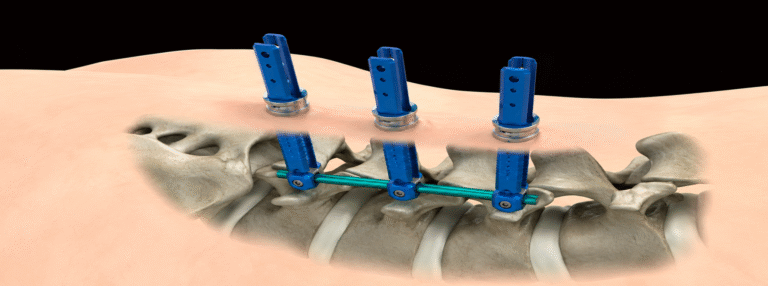
Minimally Invasive Spine Surgery (MISS)
Minimally Invasive Spine Surgery (MISS) uses specialized instruments and smaller surgical approaches to treat selected spine conditions while limiting disruption to surrounding muscles and tissues. It may be considered for conditions such as herniated discs, spinal stenosis and certain degenerative spine problems. Suitability for MISS depends on the patient’s diagnosis, symptoms, imaging findings and individual clinical requirements.
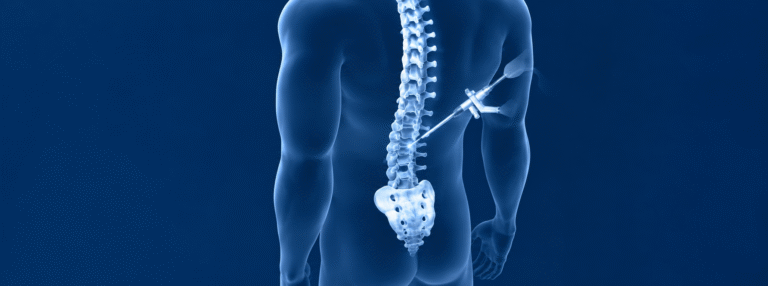
- Endoscopic Spine Surgery
Endoscopic spine surgery is a minimally invasive technique that uses a small camera and specialized instruments to access selected areas of the spine. It may be considered for certain disc-related conditions and nerve compression problems. The decision to use an endoscopic approach is based on clinical evaluation, imaging findings and the specific condition being treated.
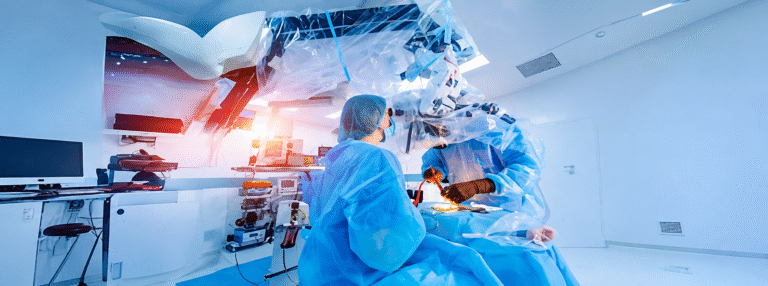
- Microscopic Discectomy
Microscopic discectomy is a surgical procedure used for selected patients with a herniated or damaged spinal disc causing nerve compression. Using magnification and specialized instruments, the procedure allows the surgeon to address the affected disc and compressed nerve through a focused surgical approach. Treatment is recommended according to symptoms, neurological findings and imaging results.
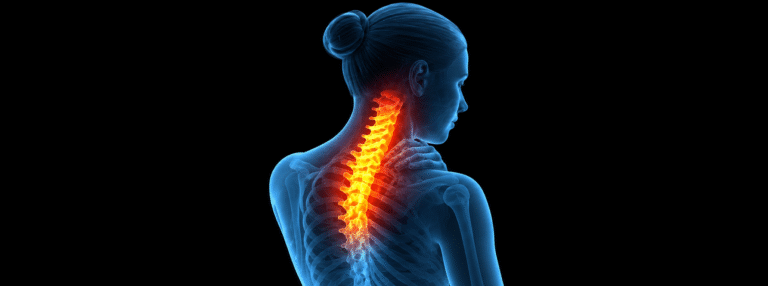
- Cervical Spine Surgery
Cervical spine surgery may be considered for selected conditions affecting the neck, cervical discs, spinal cord or surrounding nerves. These may include disc herniation, spinal stenosis and certain degenerative or structural problems. The appropriate surgical approach is determined after evaluating the patient’s symptoms, neurological findings, imaging and overall clinical condition.
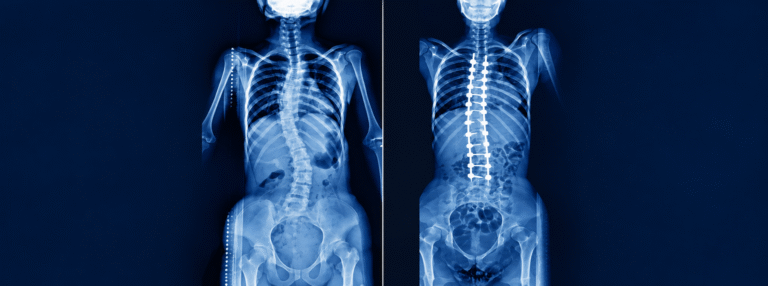
5. Scoliosis & Spinal Deformity Correction
Scoliosis and spinal deformity treatment focuses on abnormal curvature or alignment of the spine. Surgery may be considered in selected cases depending on the type and severity of the deformity, progression of the condition, symptoms and its effect on function. Treatment planning is individualized after detailed clinical and imaging evaluation.
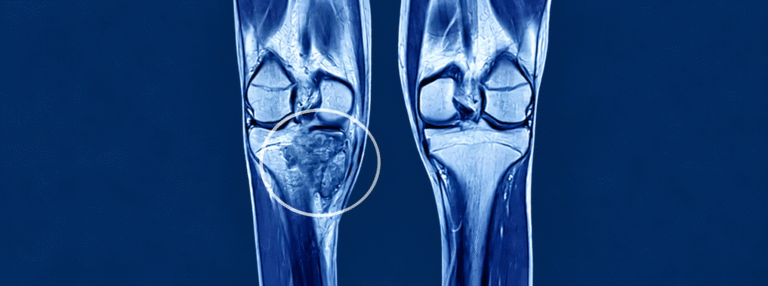
6. Spine & Bone Tumor Surgery
Spine and bone tumour surgery involves the evaluation and surgical management of selected tumours affecting the spine or bones. Treatment depends on factors such as the type, size and location of the tumour, its effect on surrounding structures and the patient’s overall clinical condition. A detailed diagnostic assessment helps determine an appropriate treatment approach.
Joint Replacement & Orthopaedic Surgery

Knee Replacement Surgery (Partial & Total)
Knee replacement surgery may be considered for selected patients with significant knee joint damage caused by arthritis, injury or degeneration. Depending on the affected area and clinical findings, partial or total knee replacement may be considered. The treatment approach is planned according to symptoms, joint condition, mobility and individual clinical requirements.
Trauma & Reconstruction Surgery
Trauma and reconstruction surgery focuses on fractures, complex injuries and damage affecting bones, joints and surrounding structures. Treatment is planned according to the type and severity of injury, alignment, stability and overall function. Surgical reconstruction may be considered when clinically appropriate after detailed evaluation.
Non-Surgical & Supportive Care
Not every spine or orthopaedic condition requires surgery. Depending on the diagnosis and symptoms, non-surgical or supportive care may form part of the treatment plan.
- Physiotherapy & Rehabilitation – May support mobility, strength, flexibility and return to everyday activities.
- Pain Management – Non-surgical pain management options may be considered depending on the condition, symptoms and clinical findings.
- Lifestyle & Preventive Guidance – Guidance may include appropriate exercises, posture awareness and ergonomic modifications based on individual needs.
Why Choose Orthospine Signature Care?
- Experienced Surgical Care
Experience across spine surgery, orthopaedic trauma and joint replacement. - Minimally Invasive Options
Minimally invasive approaches may be considered for selected conditions where clinically appropriate. - Individual Treatment Planning
Treatment decisions are based on diagnosis, symptoms and individual clinical requirements. - Continuity of Care
Care extends from clinical evaluation and treatment planning through rehabilitation and follow-up.
Your Treatment Journey
1. Consultation & Diagnosis — Clinical evaluation and appropriate investigations.
2. Treatment Planning — Treatment options are considered according to the diagnosis and individual needs.
3. Procedure / Surgery — When clinically indicated, an appropriate surgical approach is selected.
4. Rehabilitation — Rehabilitation may be recommended to support mobility, strength and function.
5. Follow-Up Care — Follow-up helps assess recovery and ongoing clinical needs.
Frequently Asked Questions
No. Many spine conditions may be managed without surgery. Treatment depends on the diagnosis, symptoms and clinical findings.
Persistent back or neck pain, pain travelling into an arm or leg, numbness, tingling, weakness or difficulty with movement may require medical evaluation.
No. Treatment depends on the cause and severity of nerve irritation, neurological findings and response to appropriate non-surgical care.
It refers to specialized surgical techniques using smaller approaches for selected spinal conditions. Suitability depends on the diagnosis and individual patient factors.
It may be considered for selected patients with significant knee joint damage, persistent symptoms and reduced mobility when appropriate non-surgical treatments are no longer sufficient.